
July 20, 2026
10 Packing Mistakes That Cost You Time and Money (and How to Avoid Them)
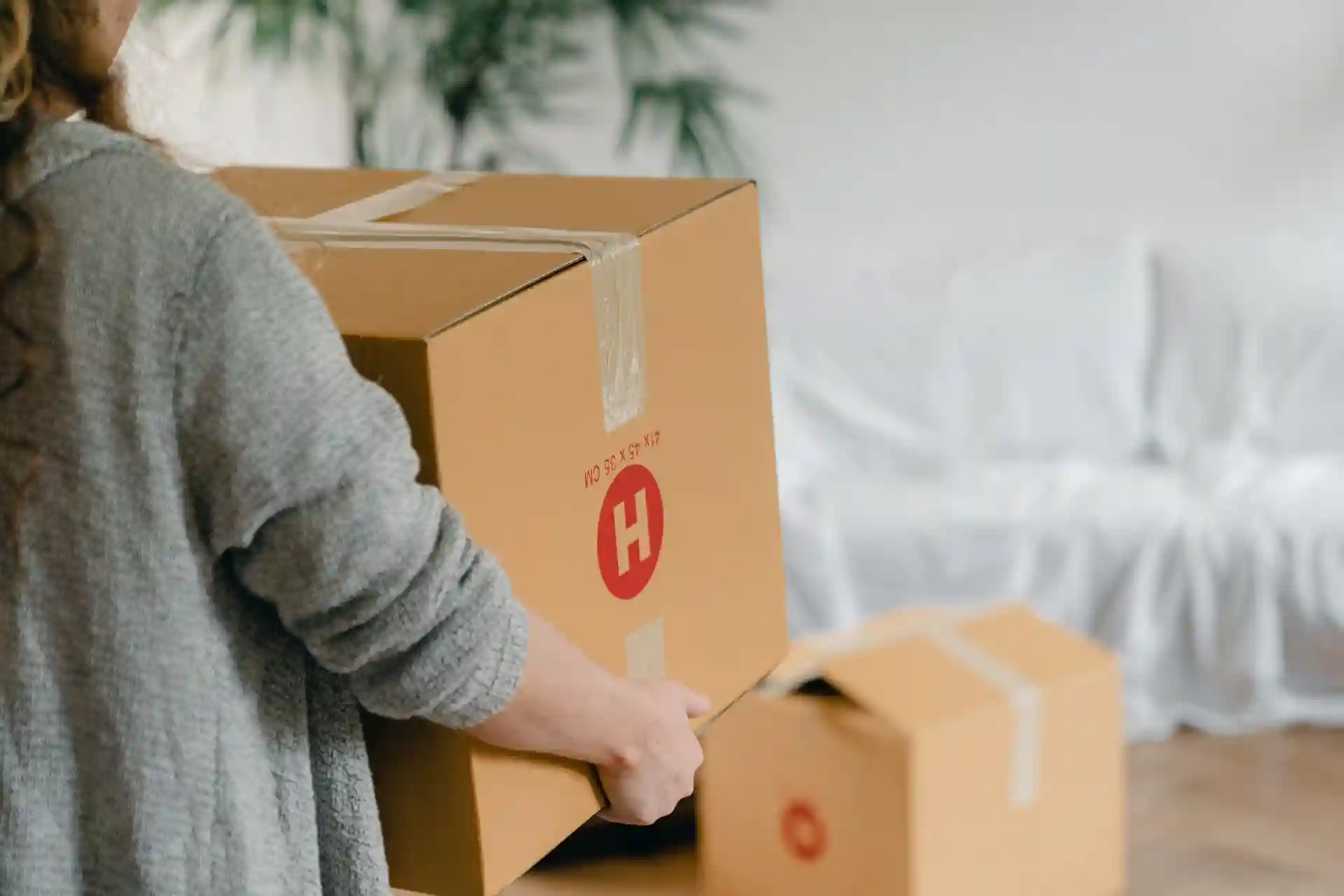
Packing up your home and moving to a new place is usually equal parts exciting and overwhelming. But behind all the fresh starts and big plans lies a messy reality: moving can be ridiculously expensive and surprisingly time-consuming.
Most people focus heavily on hiring trucks or locking down move-in dates, treating the actual packing phase as an afterthought. That is where small habits stack up into massive delays, broken heirloom dishes, and extra mover fees.
To help you save your sanity and your bank account, here are 10 common packing mistakes that will cost you time and money, along with straightforward ways to fix them.
1- Overpacking Heavy Boxes
It is tempting to grab a massive cardboard box and fill it to the brim with your entire book collection or heavy cookware. The logic seems sound: fewer boxes means fewer trips.
In reality, giant heavy boxes slow down the whole process. They are hard to lift, prone to dropping, and frequently burst at the bottom, scattering fragile items across your driveway. Furthermore, many professional moving companies charge extra fees or refuse to carry boxes that exceed standard weight limits (usually 50 pounds).
- The Fix: Match item weight to box size. Use small boxes for heavy items like books, canned goods, and tools. Save the massive boxes for light, bulky items like pillows, blankets, and towels.
2- Forgetting Essential Specialty Bags
Not everything belongs in a rigid cardboard box. A major mistake people make is ignoring flexible, specialty packing bags like mattress covers, wardrobe boxes, and heavy-duty blue storage totes.
Without mattress bags, your expensive mattress can easily end up stained, wet, or ruined by dirty truck floors. Skipping wardrobe boxes means wasting hours folding hanging clothes into standard boxes, only to spend hours ironing them out at your destination.
- The Fix: Invest in a few durable mattress protectors and zippered moving bags before you start. For hanging clothes, use wardrobe boxes or group hangers together with zip ties and slip a heavy trash bag over them from the bottom up.
3- Using the Wrong Type of Tape
Masking tape, painter’s tape, duct tape, and scotch tape do not belong on cardboard boxes. Masking and painter’s tape lack the adhesive power to hold heavy cardboard flaps together. Duct tape sticks well initially but tends to lose its grip when cold or stretched under stress.
Using cheap or incorrect tape often leads to boxes popping open mid-transport, resulting in broken belongings and ruined floorboards.
- The Fix: Stick exclusively to heavy-duty acrylic or hot-melt packing tape that is explicitly designed for shipping and moving. Double-tape the bottom seams of every box using the “H-shape” method: run one strip down the middle seam and two strips along the open side edges.
4- Mislabeling (or Not Labeling at All)
Slapping a vague label like “Stuff” or writing nothing at all on a box is a quick way to lose your mind during unboxing.
When movers do not know where a box goes, they stack everything in the living room or garage. You then waste endless hours moving heavy boxes a second time from room to room, searching through ten different containers just to find a single coffee mug or phone charger.
- The Fix: Label every box on at least two sides (not just the top, which gets covered when stacked). Include two pieces of information: the target room (e.g., “KITCHEN”) and a quick 3-word summary of the contents (e.g., “Pots, Pans, Lids”). Color-coded tape or stickers for each room can speed this up even further.
5- Packing Air (Leaving Empty Spaces Inside Boxes)
Cardboard boxes get their strength from being completely filled. When you leave empty voids inside a box, it loses structural integrity. The moment another box is stacked on top of it inside the truck, the top collapses, crushing whatever is inside.
- The Fix: Fill every gap. Use crumpled packing paper, bubble wrap, or soft household items like socks, dish towels, and t-shirts to fill open spaces until the box is firm to the touch when closed.
6- Waiting Until the Last Minute
Underestimating how long packing takes is the ultimate moving trap. When you run out of time, organization completely breaks down. You start throwing trash, clean clothes, and heavy items into random bags together.
Emergency packing forces you to buy overpriced supplies at local retail stores at the last minute and often requires hiring extra helpers to finish on deadline.
- The Fix: Start packing non-essential items (off-season clothes, decor, books) at least 3 to 4 weeks before your move date. Aim to pack 3 to 5 boxes a day to avoid fatigue.
7- Skimping on Wrapping Materials
Trying to save $20 on a roll of bubble wrap or packing paper often leads to hundreds of dollars in damaged glassware, ceramics, and electronics. Wrapping plates in thin paper towels or stacking glasses directly against each other will result in friction cracks during the drive.
- The Fix: Buy proper newsprint packing paper (which leaves no ink residue unlike old newspapers) or bubble wrap. Wrap fragile items individually. Always pack plates vertically on their edges like vinyl records, never flat, as vertical orientation absorbs road shock much better.
8- Forgetting to Pack an “Open-First” Essentials Box
After a long 12-hour moving day, the last thing you want to do is hunt through 40 identical boxes to find your toothbrush, prescription medication, toilet paper, or a clean pair of clothes.
- The Fix: Pack a clearly marked, transparent plastic bin or suitcase containing essentials for your first 48 hours. Include basic toiletries, chargers, basic tools, a cutter, bedding, trash bags, and paper towels. Keep this container with you in your personal car, not on the moving truck.
9- Moving Items You No Longer Need or Want
Every cubic foot of space on a moving truck costs money, whether you hire movers or rent a truck yourself. Packing and hauling items you plan to throw away or donate is a direct waste of effort and cash.
- The Fix: Ruthlessly declutter before you tape a single box. Create three clear piles: Keep, Donate/Sell, and Toss. Getting rid of unwanted furniture and clothes weeks ahead reduces your overall volume and cuts down on supply costs.
10- Packing Prohibited or Hazardous Materials
Many people accidentally pack household cleaners, paint, batteries, or perishable food deep inside boxes. Moving companies have strict safety regulations and will flatly refuse to transport hazardous materials. If a bottle of liquid cleaner leaks or bursts under pressure, it can ruin entire boxes of clothes and furniture in transit.
- The Fix: Set aside chemicals, paints, propane tanks, and perishable foods well in advance. Use up open food supplies during your final weeks, and safely dispose of or donate cleaning supplies locally before move day.
Conclusion: Smart Packing Means a Seamless Move
At the end of the day, a successful move comes down to preparation and using the right tools for the job. While cutting corners might feel like a quick way to speed up the process, cheap tape, overloaded boxes, and missing labels always catch up to you in the form of extra fees, lost time, and damaged belongings.
By taking a little extra time to declutter early, invest in proper materials, and systematically label your boxes, you preserve both your budget and your peace of mind. Treat your packing strategy as an investment, and you will walk into your new home ready to unpack with ease rather than stress.

You might also like...
10 Packing Mistakes That Cost You Time and Money (and How to Avoid Them)
Packing up your home and moving to a new place is usually equal parts exciting and overwhelming. But behind all
Read Full Article5 Tips for Moving in the Winter
Chicago is known for having two seasons: winter and construction. It's inevitable that some folks move in the winter, and
Read Full Article